Project Case Study: Design and Technology for Fashion and Textile Products
An Inter-American Development Bank (IDB) funded vocational education and workforce development initiative.
Funder: Inter-American Development Bank (IDB), Skills for the Future Programme, Competency-Based Training Fund (CBTF)
Delivered on behalf of: Samuel Jackman Prescod Polytechnic (SJPP), Barbados
Industry Partner: AC Manufacturing
My Role: Project Conception, Funding Proposal Development and Project Coordination
Duration: September 2014 to April 2017
1. Project Overview
This project was conceived and developed by Joy Prime as a vocational education and industry development initiative to address skills gaps within Barbados' apparel manufacturing sector.
Implemented through a partnership between the Samuel Jackman Prescod Polytechnic and AC Manufacturing, the project formed part of the IDB-funded Skills for the Future programme, through its Competency-Based Training Fund.
The initiative brought together technical education, industry collaboration, occupational standards development, curriculum reform and National Vocational Qualification (NVQ) certification.
A central objective was to provide opportunities for experienced workers to have their existing occupational skills formally assessed and certified, while also equipping new entrants and emerging entrepreneurs with the technical and business skills required for employment and enterprise development.
The project also sought to modernise the institution's technical training facilities and strengthen the relationship between vocational education and industry.
Project Video: Garment Technology Training
An overview of the partnership between Samuel Jackman Prescod Polytechnic and AC Manufacturing, developed under the Inter-American Development Bank (IDB) funded Skills for the Future programme. The video highlights the project's approach to technical training, skills development and industry collaboration.
2. The Challenge
Barbados' apparel manufacturing sector had experienced significant decline since the 1980s, facing increasing competition from imported garments and changing production technologies.
The sector required workers with both traditional garment manufacturing skills and the technical competencies associated with modern production methods, including Computer-Aided Design and Manufacturing (CAD/CAM).
An additional challenge was the absence of formal qualifications among some experienced workers. Employees could possess considerable practical expertise, including industrial sewing and machine operation, without holding recognised occupational certification.
There was therefore a need to develop relevant occupational standards, modernise vocational curricula, provide opportunities for formal skills recognition and strengthen the technical capacity of the existing and emerging workforce.
The project was designed to respond to these interconnected challenges through collaboration between an educational institution and an established industry partner
3. The Project Approach
I conceived the project and developed the successful funding proposal, establishing a partnership between the Samuel Jackman Prescod Polytechnic and AC Manufacturing.
My approach was to create an integrated vocational education and industry development initiative rather than a series of standalone training courses.
The project combined four principal elements:
Development and validation of occupational standards and competency-based curricula.
Training, assessment and certification for existing workers and new entrants.
Modernisation of technical training facilities and equipment.
Professional development supporting entrepreneurship, business growth and industry engagement.
The partnership with AC Manufacturing was particularly important. It connected the institution with the practical needs of employers and created opportunities for experienced workers to obtain formal recognition of skills already acquired through employment.
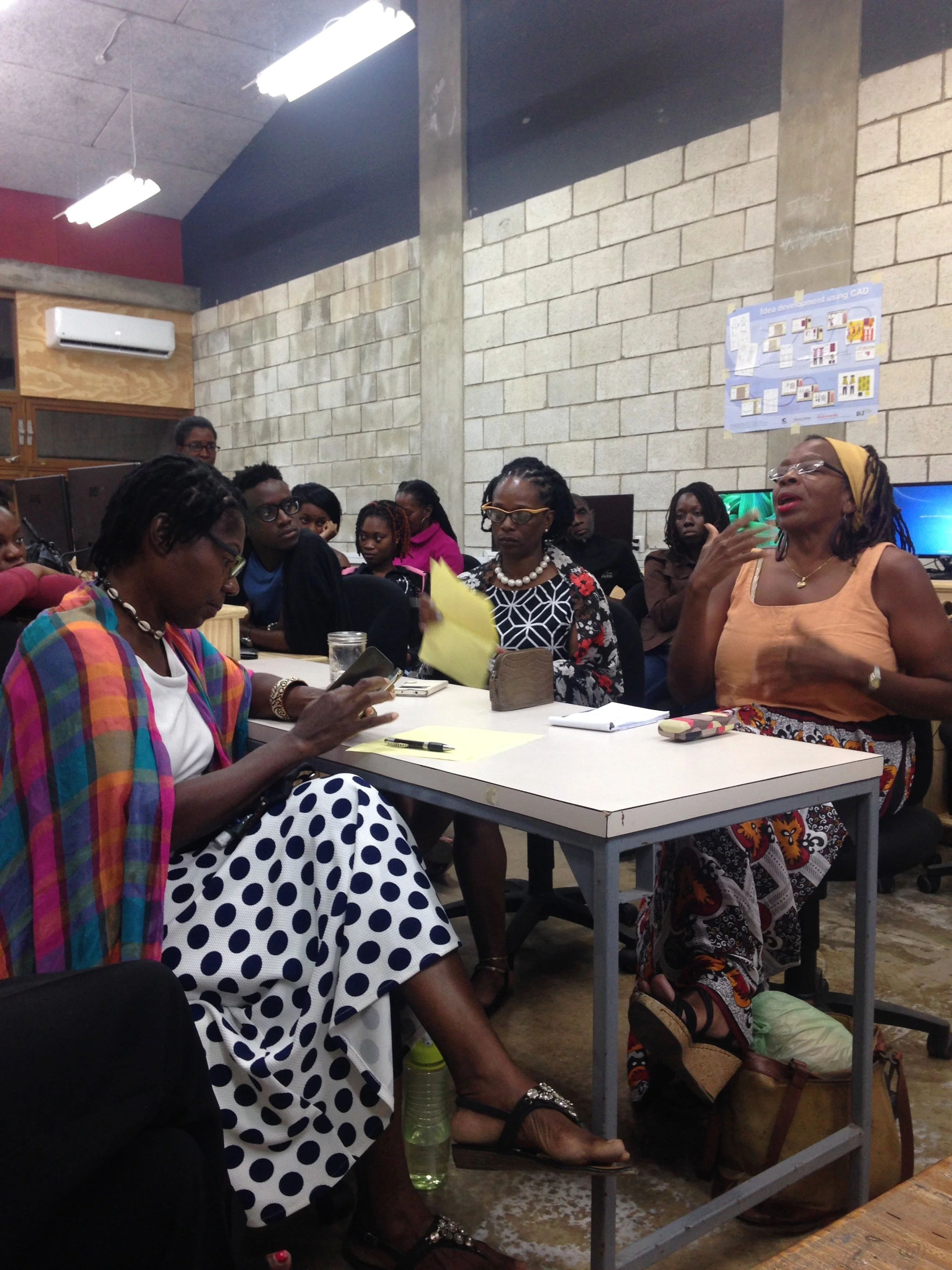
The initiative also involved collaboration with the Barbados TVET Council and industry professionals to ensure that the qualifications and training programmes reflected occupational requirements.
4. Implementation and Key Deliverables
Occupational Standards Development
I coordinated the development and validation of competency-based occupational standards in collaboration with industry specialists and the Barbados TVET Council.
This work provided the occupational foundation for the development of vocational curricula, training programmes and assessment arrangements.
The project supported four NVQ programmes:
Manufacturing Sewn Products, Level 2.
Apparel Manufacturing Technology, Level 3.
Textile and Material Design, Level 3.
Developing a New or Existing Business, Level 3.
Curriculum Development and Quality Assurance
I led the curriculum development process, identifying and supervising three curriculum specialists while personally developing one curriculum component.
My responsibilities included coordinating the development process, reviewing specialist submissions, assessing their alignment with agreed requirements and ensuring that necessary amendments were completed before approval for implementation.
This work brought together curriculum development, technical review, quality assurance and institutional coordination.
Training Facilities and Technical Modernisation
The project supported the upgrading of the institution's fashion and textiles training facilities, including the development of a simulated garment production environment.
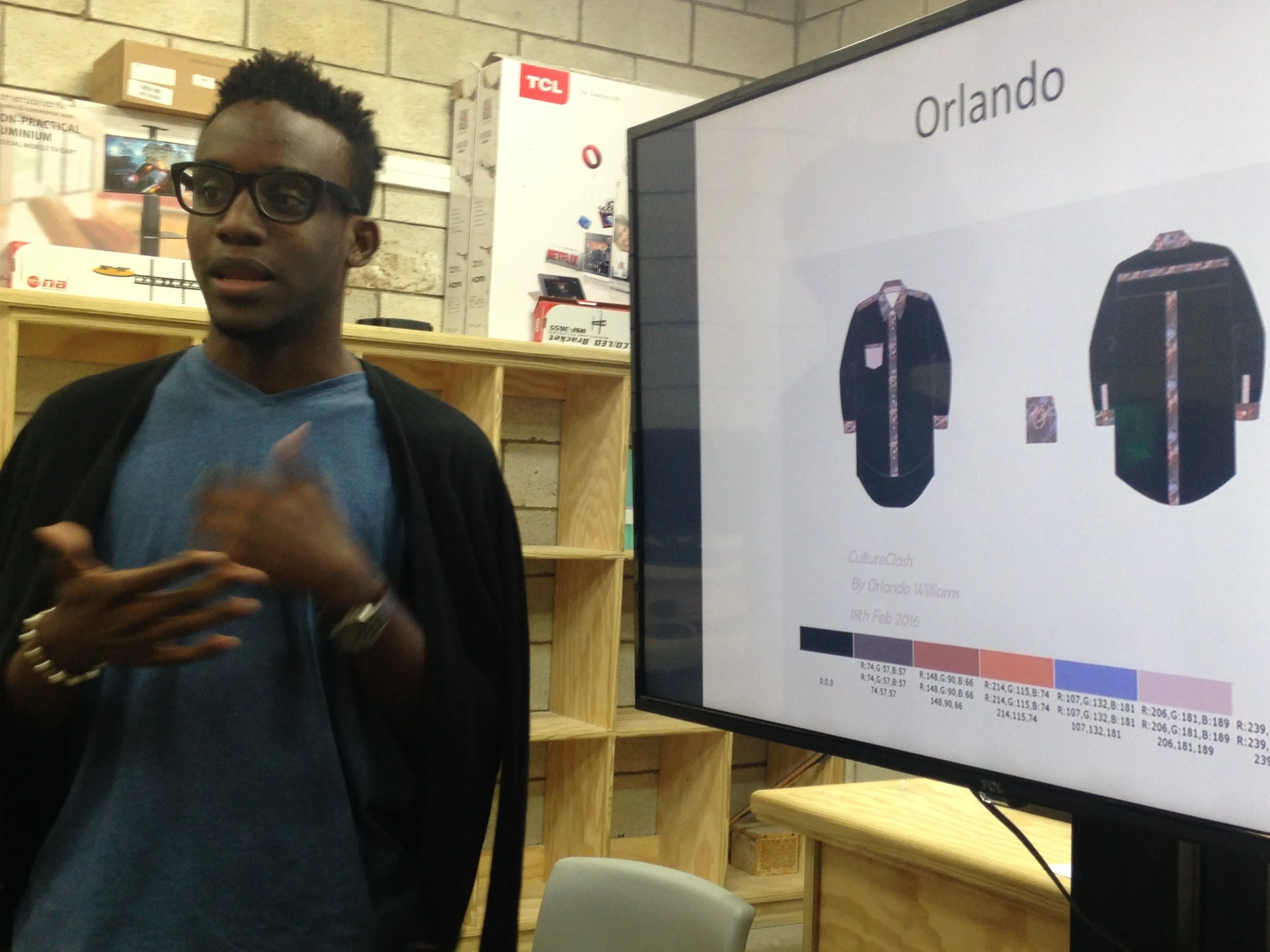
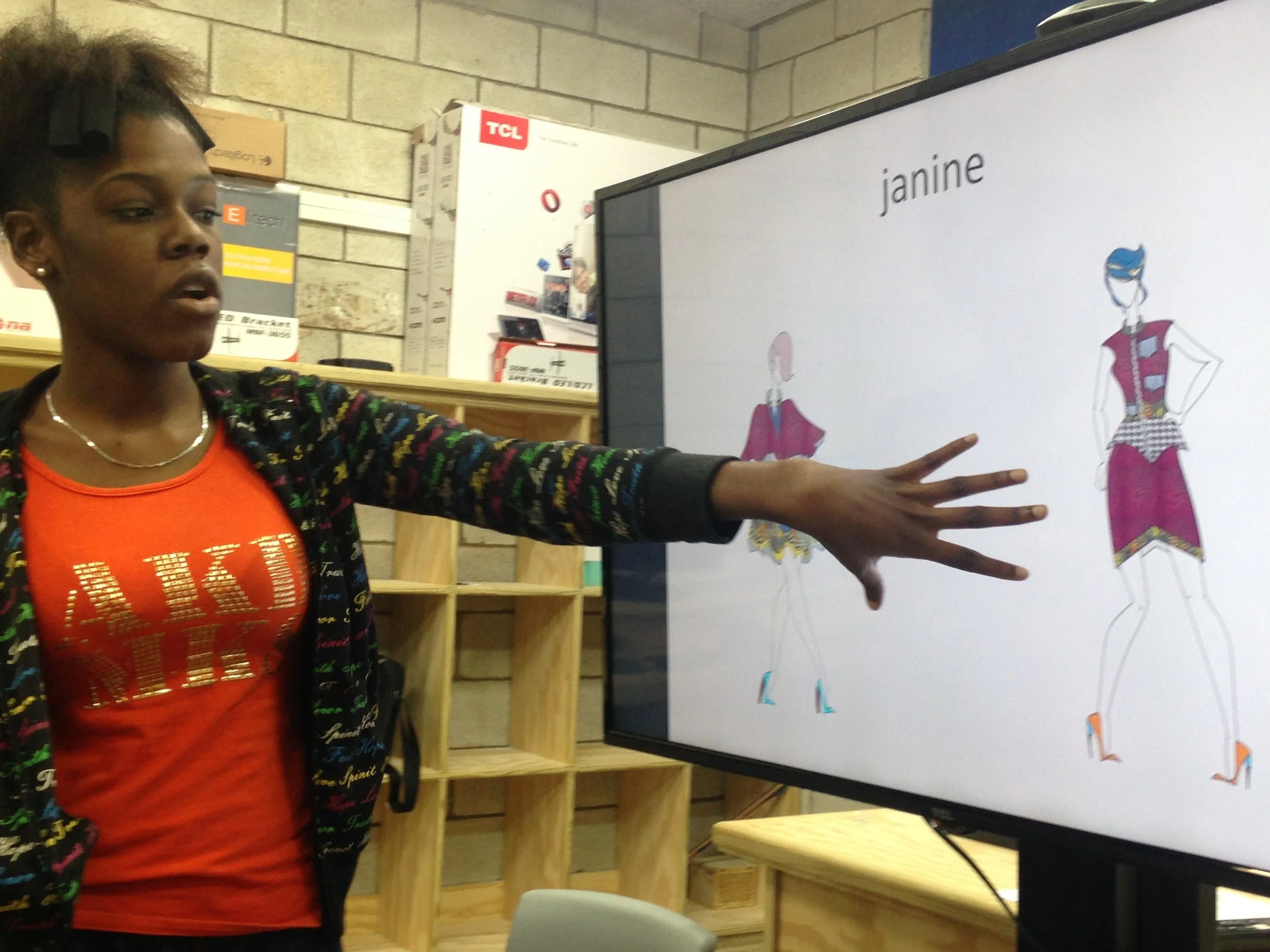
The upgraded facilities incorporated specialist machinery and modern design and production technologies, including CAD/CAM equipment and associated resources.
This enabled learners to develop technical skills using equipment and processes more closely aligned with contemporary industry practice.
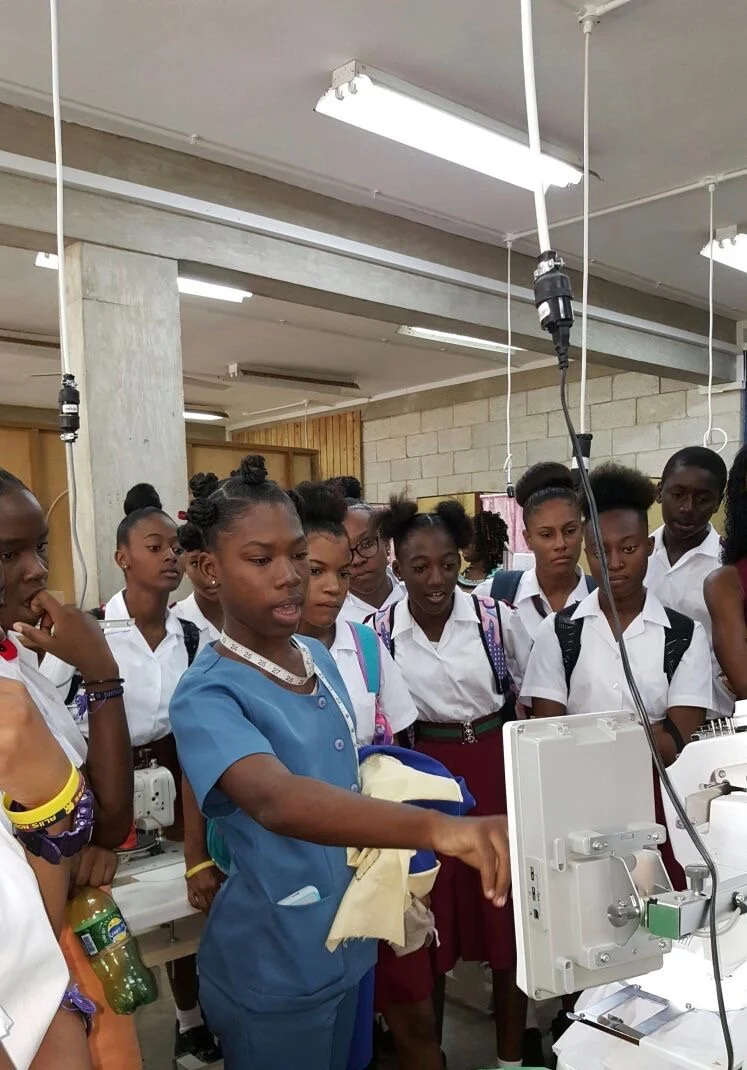
Photograph: Demonstrating Embroidery Technology
A programme participant demonstrates the setup and operation of a computerised embroidery machine to younger students, sharing practical knowledge and technical skills.
Video: Computerised Embroidery Machine in Operation
A demonstration of computerised embroidery technology in use at the Samuel Jackman Prescod Polytechnic, illustrating the specialist equipment available for practical training.
Training, Assessment and Certification
A central component of the project was the delivery of competency-based training and assessment leading to nationally recognised vocational qualifications.
The initiative served both experienced workers seeking formal certification and individuals developing new technical and entrepreneurial skills.
The partnership with AC Manufacturing was especially valuable in enabling skilled employees without formal qualifications to participate in assessment and certification opportunities.
I coordinated the arrangements for training delivery, assessment, certification and the participation of relevant technical specialists.
Professional Development and Entrepreneurship
The project also incorporated professional development activities intended to strengthen participants' understanding of the wider fashion and apparel industry.
Planned areas included branding, marketing, customer profiling, business development, strategic planning, international retail and the development of industry partnerships.
These activities complemented technical training by recognising that sustainable employment and enterprise development require both occupational competence and business knowledge.
5. Project Outcomes
The project delivered vocational training and assessment across four NVQ programmes.
According to the final project closeout report, the recorded results were:
NVQ ProgrammeTrainedCertifiedManufacturing Sewn Products1912Apparel Manufacturing Technology1917Textile and Material Design1812Developing a New or Existing Business266
The project also recorded the certification of five assessors.
These figures represent training and certification recorded across the individual programmes and should not be interpreted as the number of distinct participants.
Beyond the recorded qualifications, the initiative strengthened collaboration between the institution, industry professionals and the Barbados TVET Council.
It also provided a framework for recognising existing occupational competence while supporting the development of new technical and entrepreneurial skills.
6. Industry Application and Legacy
Applying Vocational Skills in a Commercial Production Environment
One of the most significant outcomes of the project was the opportunity to demonstrate how vocational education could be integrated with commercial garment manufacturing.
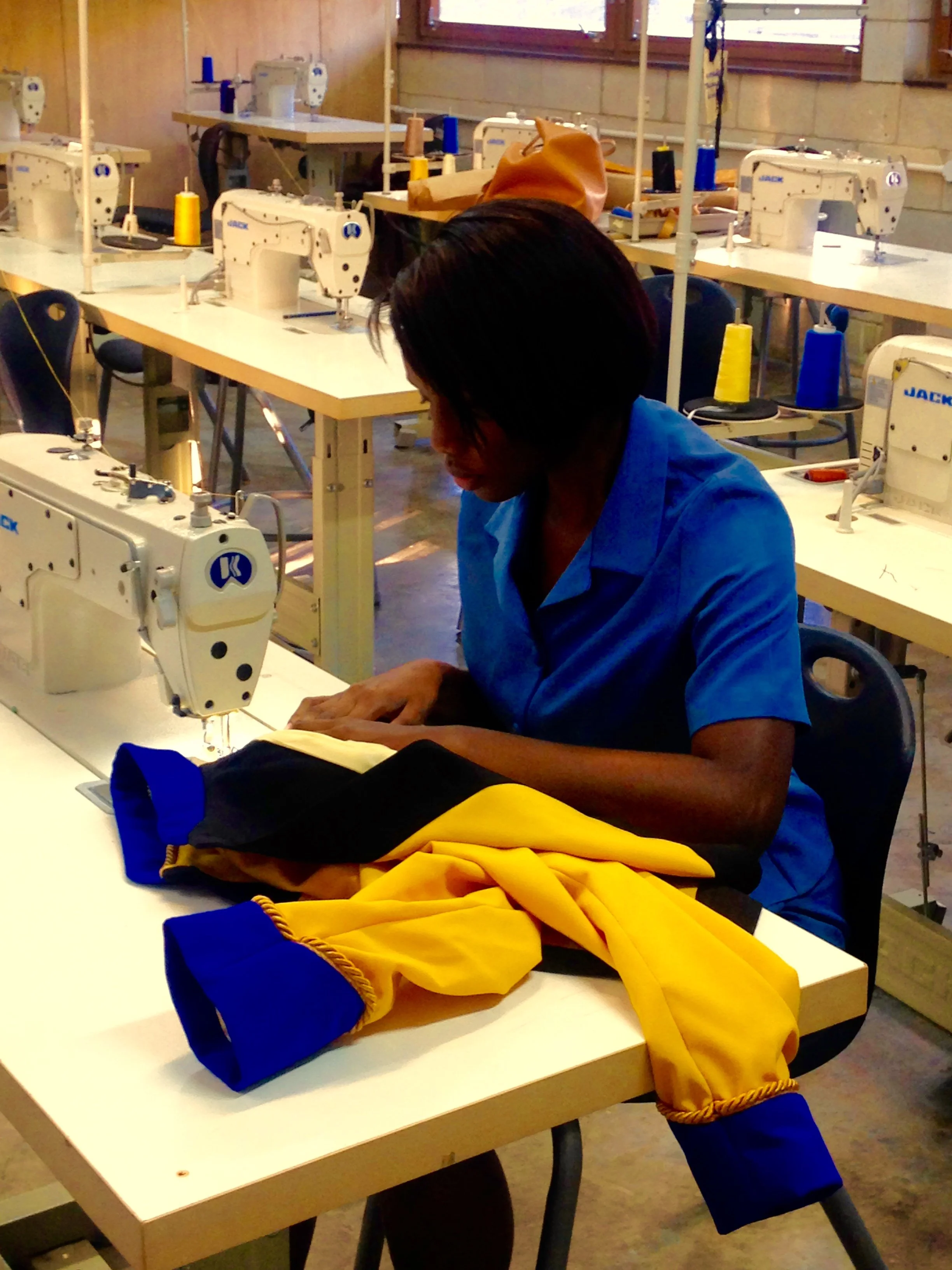
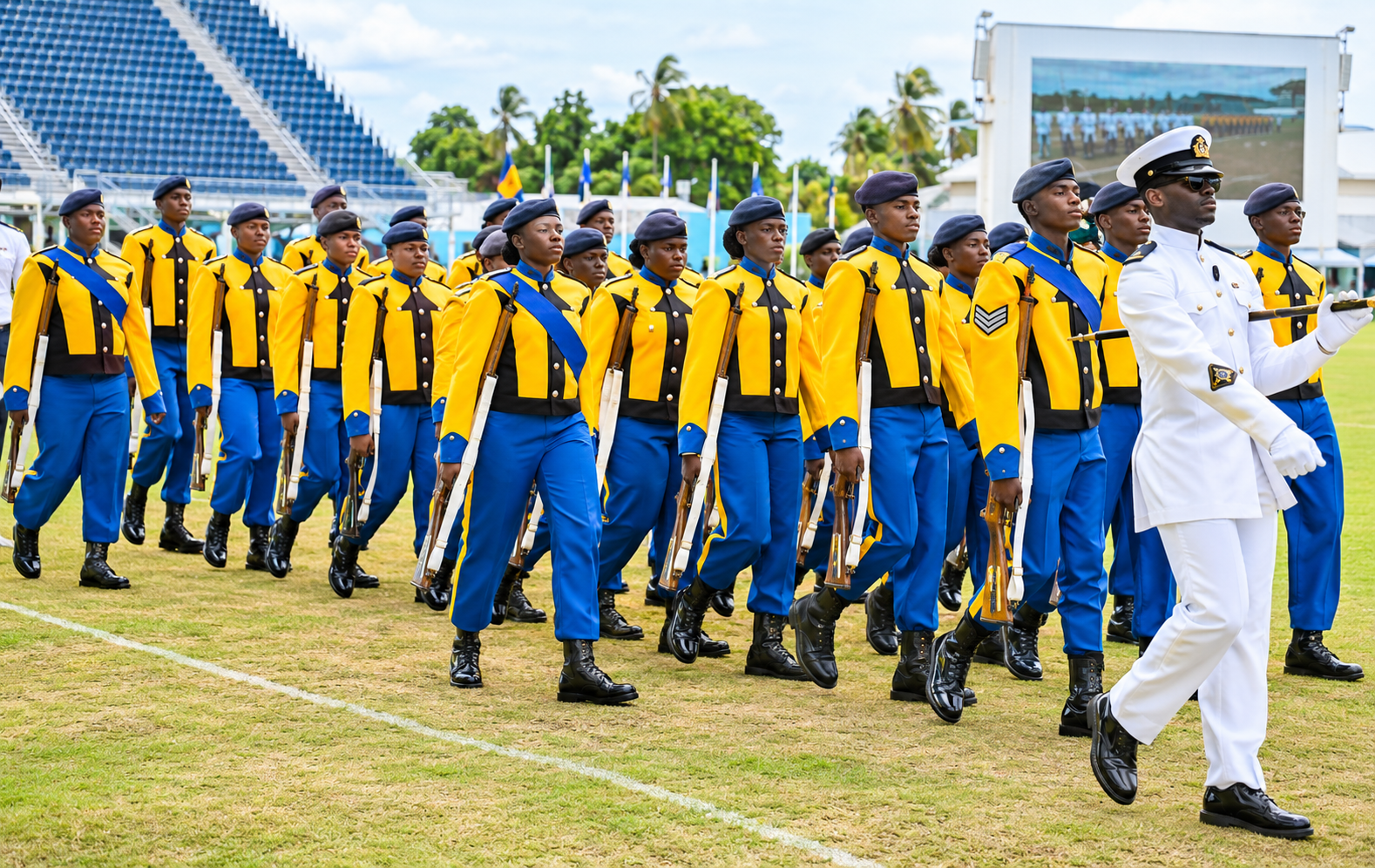
Following the upgrading of the institution's technical facilities, I was personally approached by the Barbados Defence Force (BDF) to undertake the manufacture of 75 ceremonial suits for the Barbados Cadet Corps, to be worn during the country's 50th anniversary Independence celebrations in 2016.
Rather than treating the commission simply as a garment production exercise, I saw an opportunity to recreate an operational manufacturing environment within the institution's training facilities, enabling students to apply their technical skills under authentic production conditions.
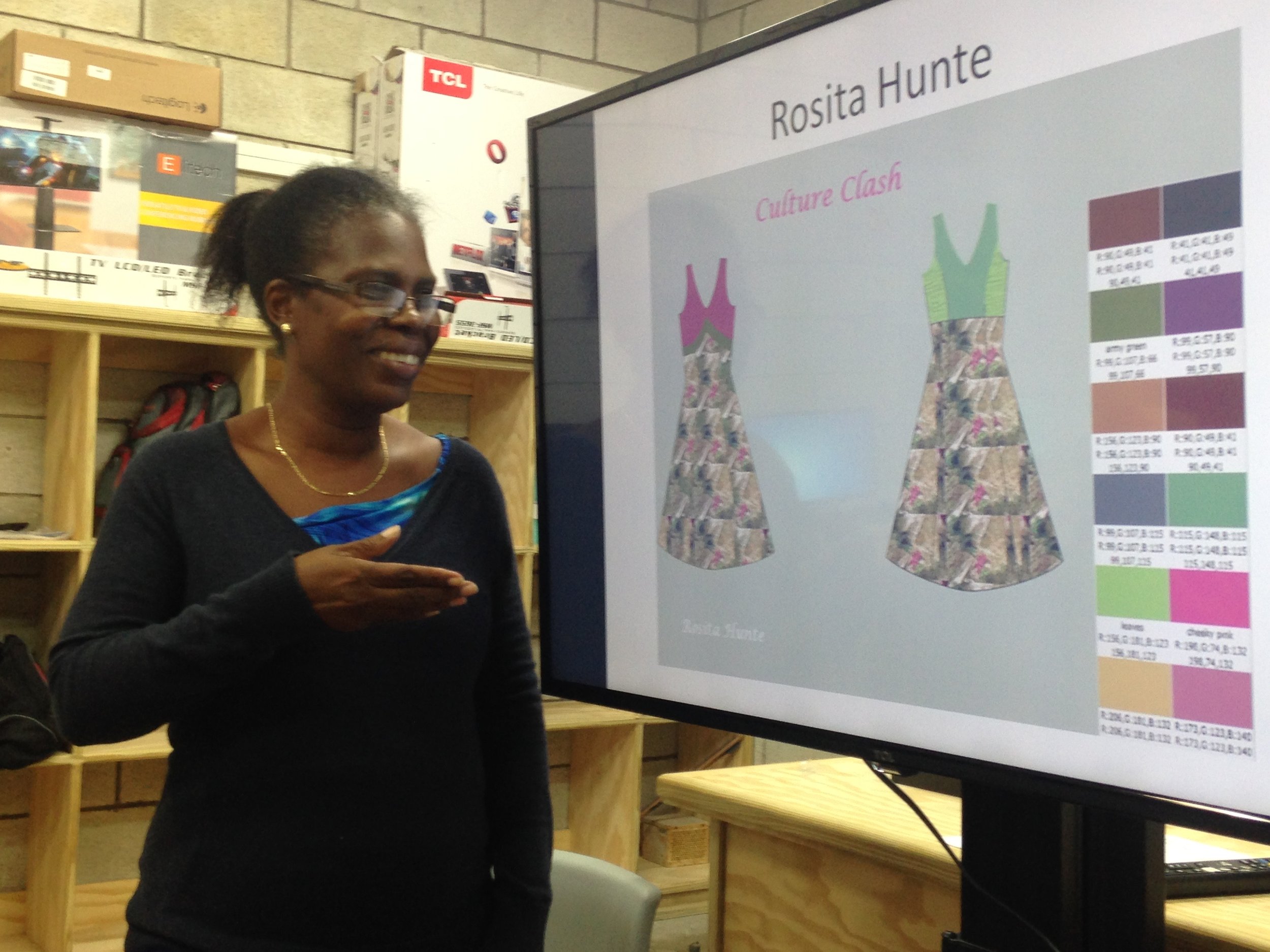
I developed and coordinated the production arrangements, appointing Rosita Hunte, a graduate of the Apparel Manufacturing Technology NVQ programme, as Production Manager. I also recruited and employed students to undertake the various roles required within the manufacturing process.
Rosita was responsible for managing day-to-day production, while I retained overall responsibility and oversight of the commission, including the organisation of resources, staffing and delivery.
The 75 ceremonial suits were successfully manufactured and worn during Barbados' 50th anniversary Independence celebrations.

Institutional Graduation Gown Commission
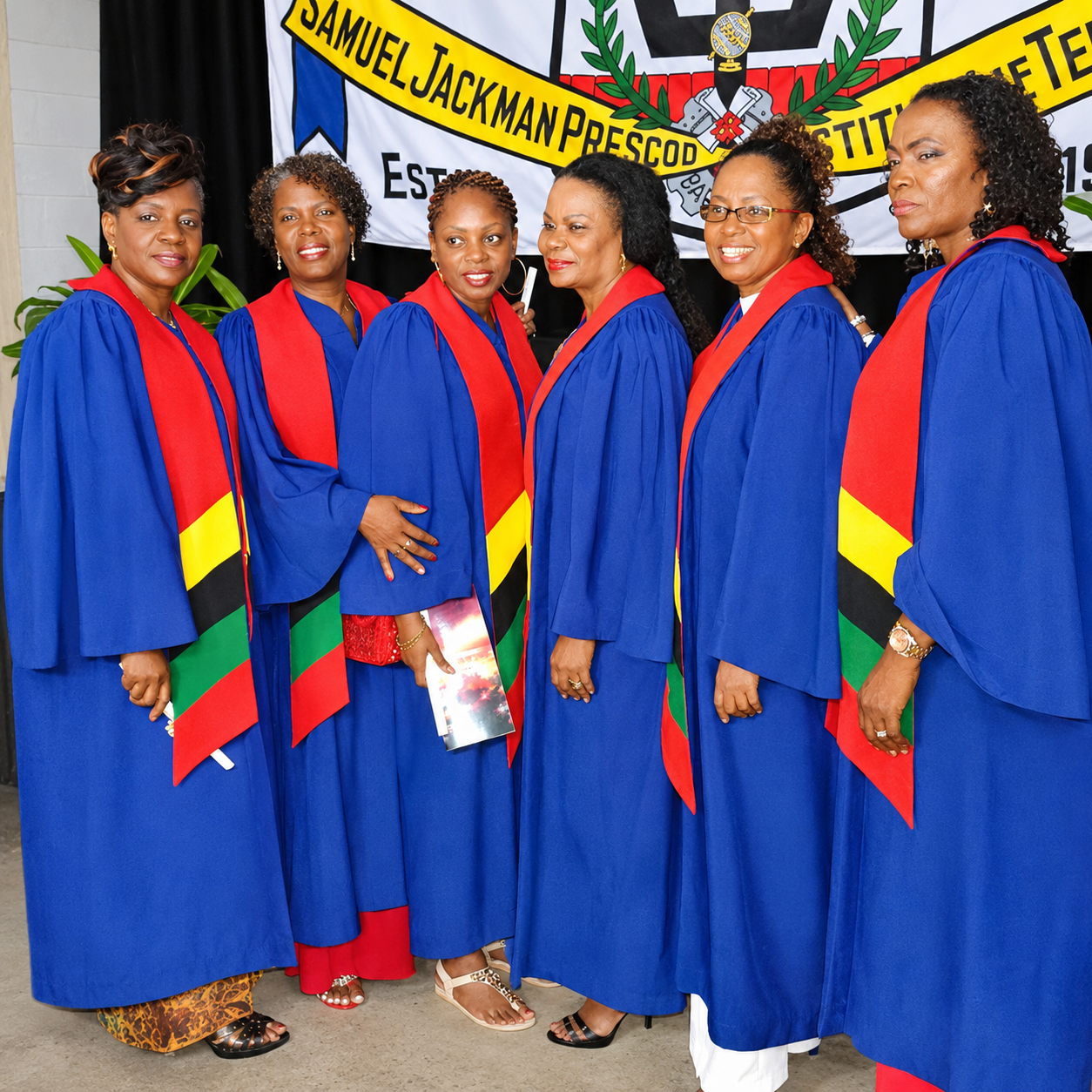
Following the successful completion of the BDF commission, I was approached by the Samuel Jackman Prescod Polytechnic to undertake a further manufacturing project: the production of the institution's graduation gowns.
I again established a structured production operation within the training facilities, appointing Rosita Hunte as Production Manager and employing students to undertake the necessary manufacturing roles.
As with the previous commission, I retained overall responsibility for organising and overseeing the project, while Rosita managed the day-to-day production process.
This second commission demonstrated that the manufacturing approach could be applied to further institutional production requirements, providing additional opportunities for students to develop practical experience within a coordinated production environment.
Educational and Professional Significance
These two commissions extended the value of the original Skills for the Future initiative beyond formal training and certification.
By recreating a commercial garment manufacturing operation within the educational setting, I was able to connect curriculum learning with practical production, workforce organisation, professional responsibilities and the requirements of delivering work for a client.
The approach also created opportunities for students to undertake paid production roles and for an NVQ graduate to exercise responsibility as a Production Manager.
Together, the commissions demonstrated how investment in vocational education, modern equipment and competency-based qualifications could support practical industry engagement, professional development and the application of occupational skills.
Graduate Development and Entrepreneurship
The project also contributed to professional development opportunities for participating learners and industry practitioners.
The closeout report documents examples of graduates applying their skills in employment, production management and business development.
These individual examples illustrate the potential for vocational qualifications and technical education to support professional progression and creative enterprise.
7. My Role and Project Leadership
As the project's originator and Project Coordinator, I was responsible for coordinating its development and delivery on behalf of the Samuel Jackman Prescod Polytechnic.
My responsibilities extended across the project lifecycle, from the initial concept and successful funding application through implementation, monitoring, reporting and final closeout.
They included:
Conceptualising the project and preparing the successful funding proposal.
Establishing and coordinating the institutional and industry partnership.
Negotiating project arrangements and coordinating relevant stakeholders.
Leading the occupational standards and curriculum development processes.
Recruiting, supervising and technically reviewing the work of curriculum specialists.
Coordinating training, assessment and certification arrangements.
Overseeing the upgrading of technical facilities and the procurement process.
Reviewing and approving procurement requirements, with final financial authorisation undertaken by the institution's Financial Controller.
Preparing quarterly reports to the IDB through the Competency-Based Training Unit.
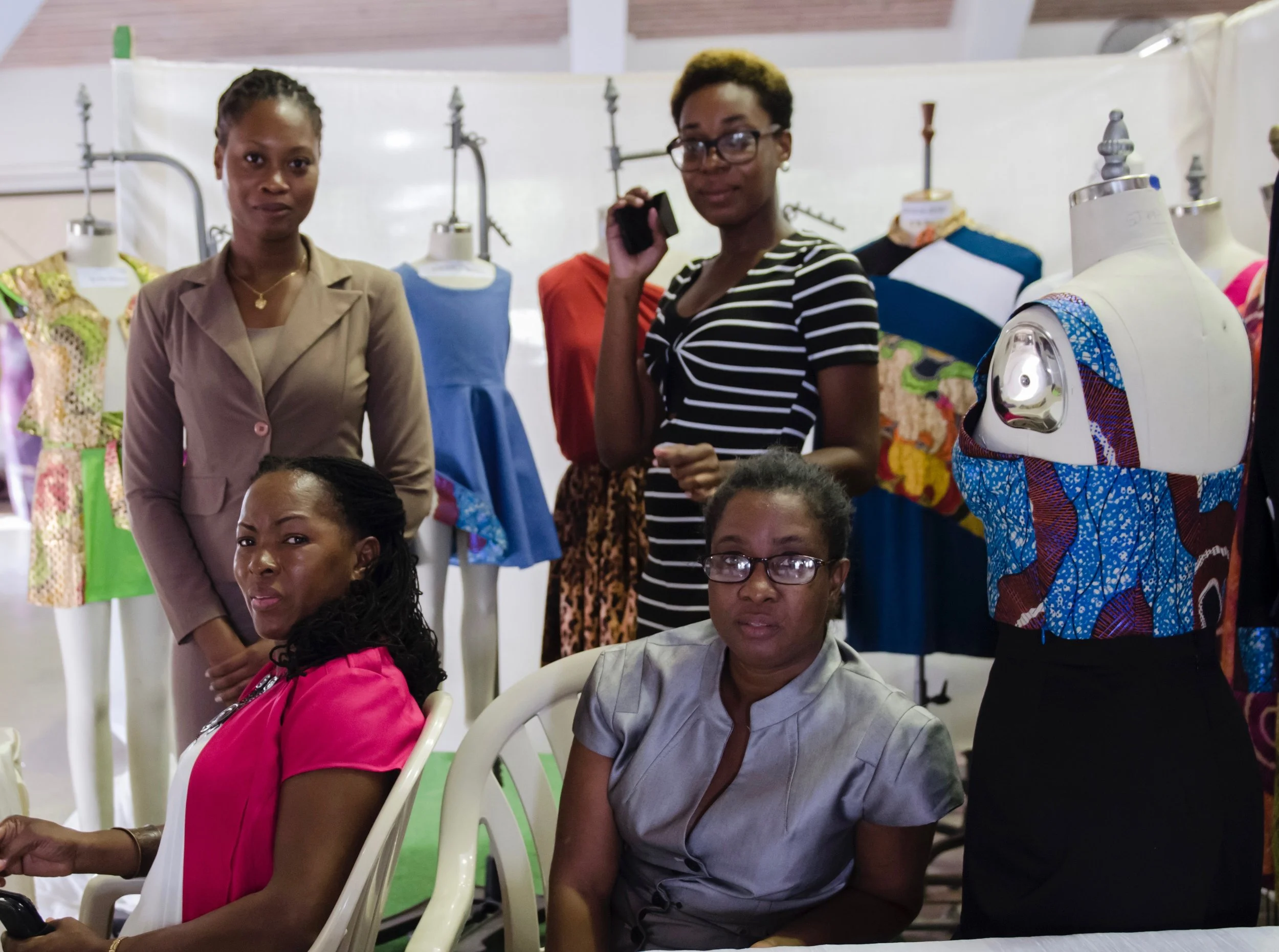
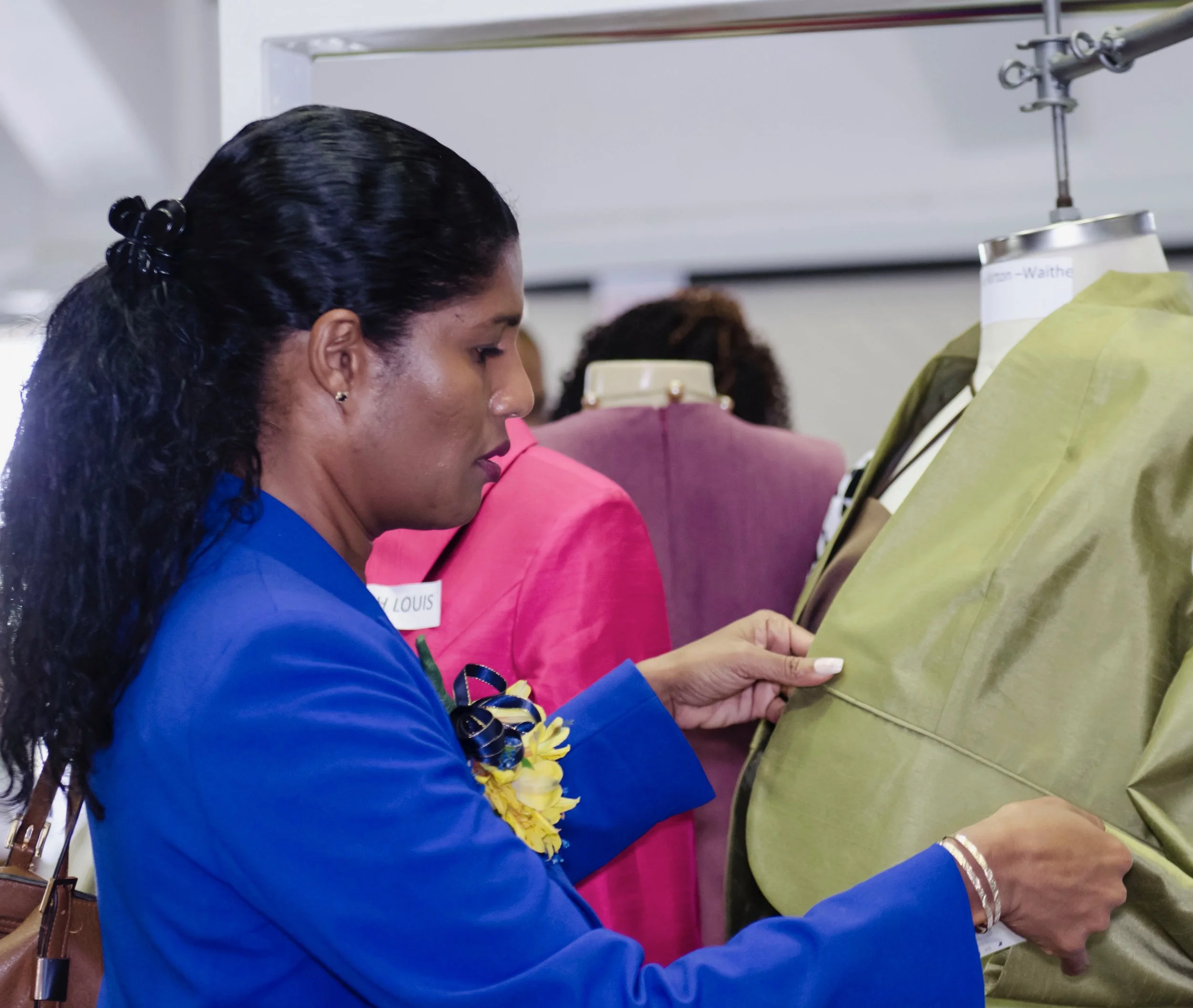
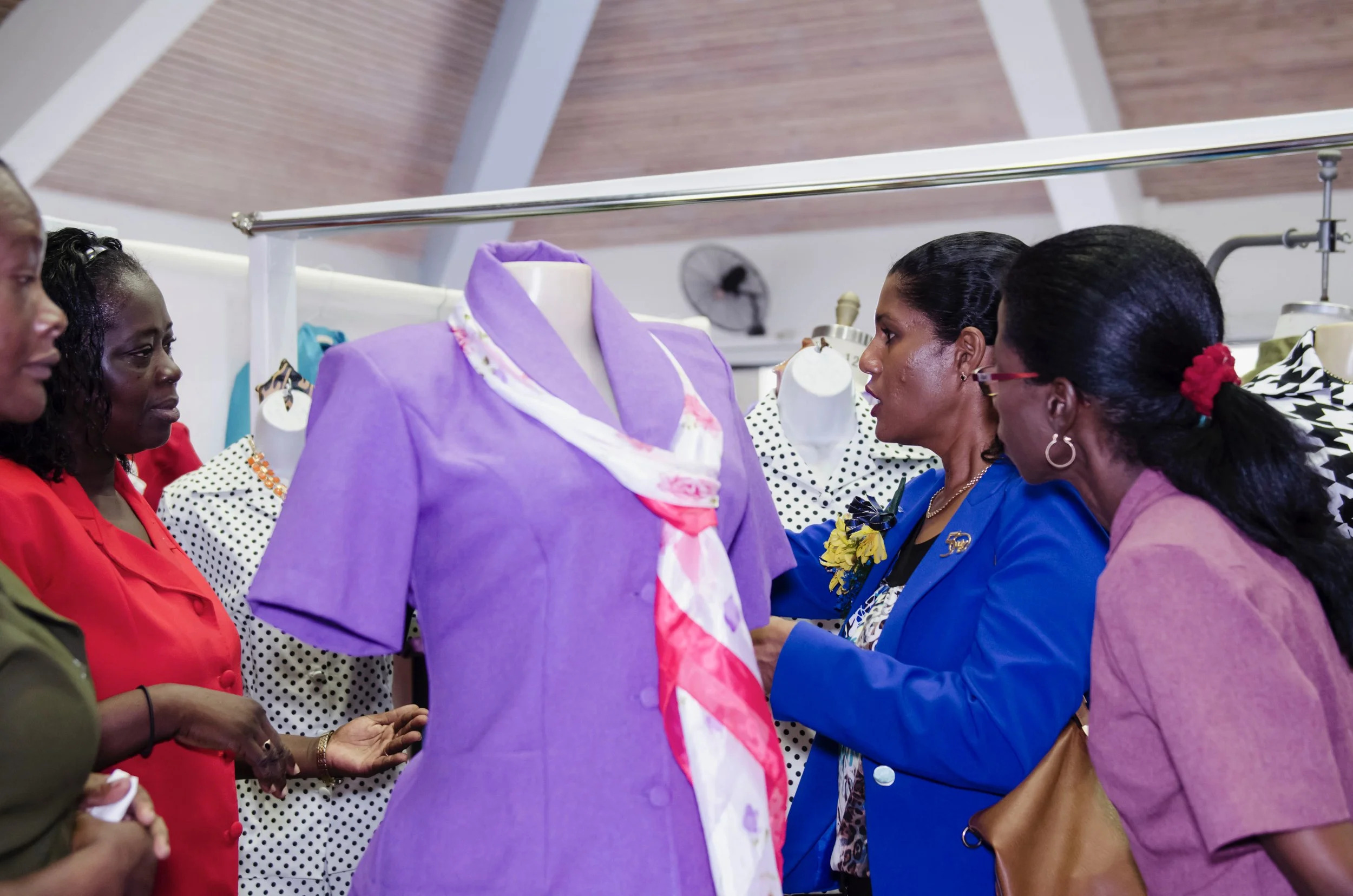
Negotiating and appointing a specialist exhibition management company and overseeing the delivery of the concluding exhibition.
Coordinating graduate participation in the graduation ceremony.
Preparing and submitting the final project closeout report.
This assignment brought together curriculum development, institutional project coordination, technical quality assurance, industry engagement, procurement oversight and reporting within an internationally funded development programme.